Cypress: The Evergreen of Mourning and Consolation
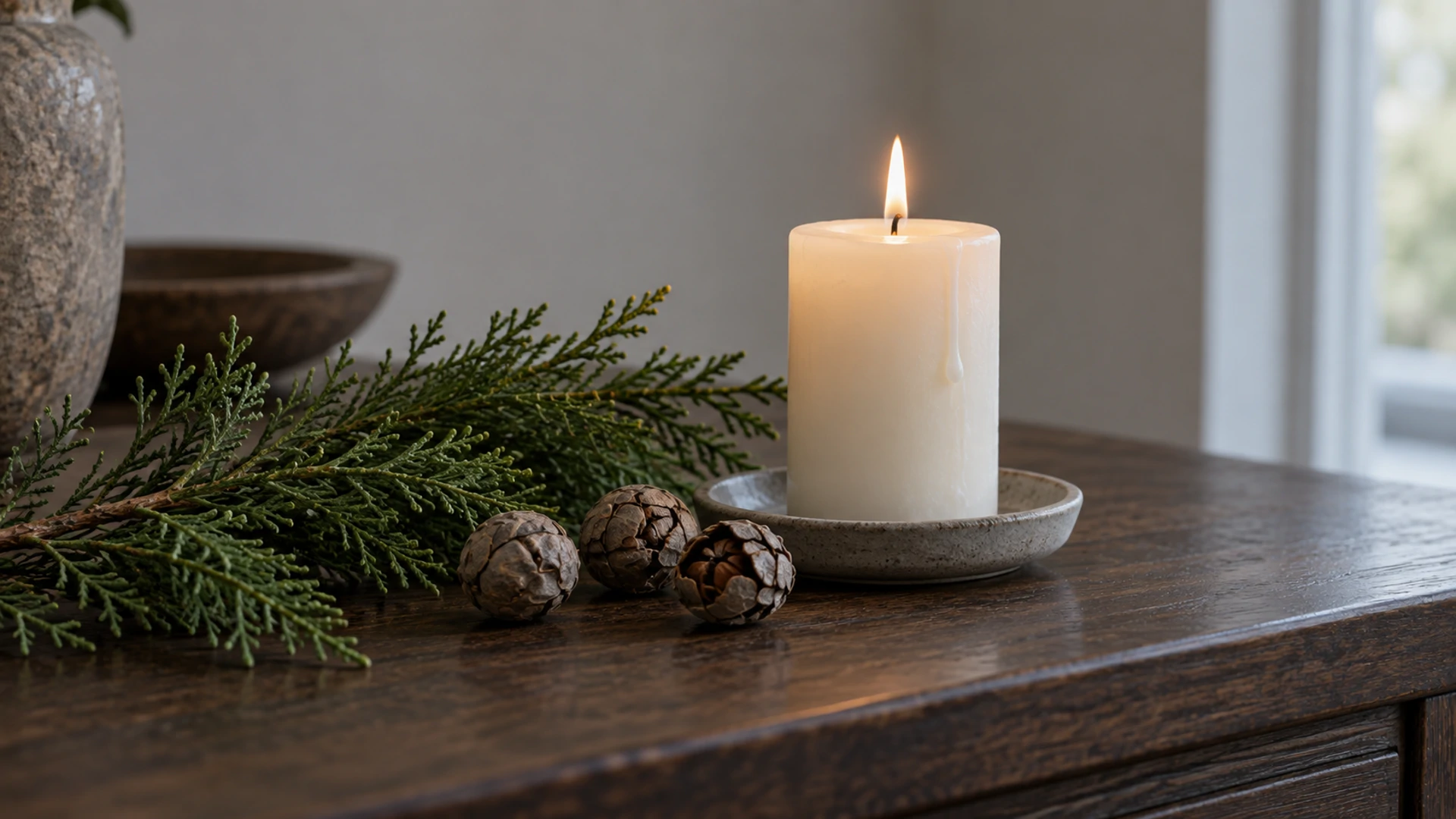
Cypress is the tall Mediterranean evergreen of cemeteries, worked with its cones, sprigs, wood, and oil for comfort in grief, with honoring the dead as its close second. It does not chase sorrow away — it stays with you inside it.
Consolation: Cypress's Place in Healing
Among the Healing and Peace herbs, cypress is the one that works with grief, and its angle is different from the others. Lemon balm is gladdening — it lifts low spirits and brings back lightness. Comfrey mends — it knits together what has broken. Cypress does neither of those things. It stays with grief itself, offering consolation rather than resolution. That is a specific and necessary kind of work. Mourning is not a problem to be cleared, and the plant that lines the graveyards of the Mediterranean knows that.
Scott Cunningham lists longevity, healing, and comfort as cypress's qualities, which makes sense when you look at where it grows — lining cemeteries not to mourn indefinitely but to mark that life continues past loss. Cypress carries both the weight of grief and the promise of persistence, which is its comfort. Because of that second face, cypress also belongs to the Divination and Spirit Work category, through mourning and honoring the dead. In that space, yew stands for death and rebirth — the deeper, harder passage — while cypress mourns and consoles. The two are neighbors in the churchyard, but they are doing different things.
Cypress is ruled by Saturn, which is the planet of endings, boundaries, and time. That attribution comes from both Culpeper and Cunningham, and Cunningham pairs it with earth as the element. Its day is Saturday. Saturn governance makes sense here — this is not the quick fire of a Mars herb or the bright opening of a Sun herb. It is slow, heavy, and patient, the way grief actually is. If you are working with a Saturn hour for ancestor or mourning work, cypress is a natural companion.
Cyparissus and the Cemetery Rows
The cypress has a myth that fits it almost too well. In Ovid's Metamorphoses, a young man named Cyparissus is devoted to a great stag — sacred to the nymphs — that he has tamed and loves. One day, resting in the shade, the stag is killed by a javelin Cyparissus throws by accident. His grief is total and inconsolable. He begs Apollo to let his mourning last forever, and Apollo, who loves him, transforms him into the cypress tree so that his grief can stand as a permanent witness. The tree of mourning is named for a boy who could not stop grieving, which means the name has always carried that weight.
That myth gives cypress its feeling in practice, but the real-world planting of cypress trees is just as old and just as consistent. Greek, Roman, Mediterranean, and Islamic cemeteries are lined with them. In Persian art, the tall, unwavering silhouette of the evergreen cypress is a symbol of eternal life — which means the same tree holds both the sorrow of loss and the fact that something endures past it. You can stand in a cemetery lined with cypress and feel both things at once, which is what consolation actually is: not the end of grief, but the knowledge that life continues alongside it.
Cones, Sprigs, and the Cypress Family
Cypress (Cupressus sempervirens) belongs to the cypress family, Cupressaceae, which puts it in the same botanical family as juniper and thuja — three evergreens in the same family, each doing distinct work. Juniper wards; thuja purifies; cypress mourns and consoles. The working forms of cypress are branches, cones, wood, and oil, all of which are accessible and straightforward to source. The cones in particular are useful for portable work because they hold their form without preparation. Cypress pollen is an allergen for some people, and the oil is generally mild for topical use in diluted form.
Three Cypress Workings for Grief
Cones in a Grief Sachet
This working is for the first weeks of mourning, when grief is still raw and you need something physical to carry.
Gather a few small cypress cones and a piece of dark cloth — black, dark blue, or deep grey all work. Tie or sew it into a small sachet. Make this on a Saturday, or open your work in a Saturn hour, which aligns the timing with the planet that governs this herb. Hold the cones before you close the sachet and name who you are grieving — say their name aloud, or hold it clearly in mind. Carry the sachet with you through the mourning period, and when the acute grief has passed, keep it with whatever you hold from that person: letters, photographs, small keepsakes. It becomes part of the memorial rather than something you put away.
A Candle for the Anniversary
This working is for the anniversary of a death — a date that tends to arrive with its own weight regardless of how much time has passed.
Take a white candle and dress it with a small amount of cypress oil diluted in a carrier oil. Set it somewhere you can sit quietly in front of it. Light it, and while it burns, speak about the person — not to perform grief, but to actually remember them. Say what you would tell them. Describe something they did that you still carry with you. The candle is the witness for that conversation. Let it burn for as long as feels right, and extinguish it safely when you are done.
A Sprig on the Ancestor Altar
This working draws on cypress's secondary category — Divination and Spirit Work — through the practice of honoring the dead at a dedicated altar space.
Cut or obtain a small fresh sprig of cypress and lay it on your ancestor altar beside a name written on paper, a photograph, or another object that belongs to the dead person you are honoring. The sprig does not need to be dressed or prepared further. It brings the mourning-and-continuance energy of the cypress tree into the altar space, acknowledging that the person is gone and that they are still present enough to be spoken to. Replace it when it dries if you want the working to stay fresh, or leave it as a permanent marker if that feels right for your practice.
The Tree That Keeps Watch
Cypress does not lift the mood the way other Healing and Peace herbs do. What it offers is company in a hard place — the willingness to stay present in grief without rushing past it. That makes it valuable precisely because it is not trying to fix anything.
If you want to see cypress alongside the other eight healing and peace herbs, and alongside the six other plant-magic categories, the Witch's Herbarium guide is the place to do that.