Spiritual Tea Ceremonies: A Complete Practitioner's Guide
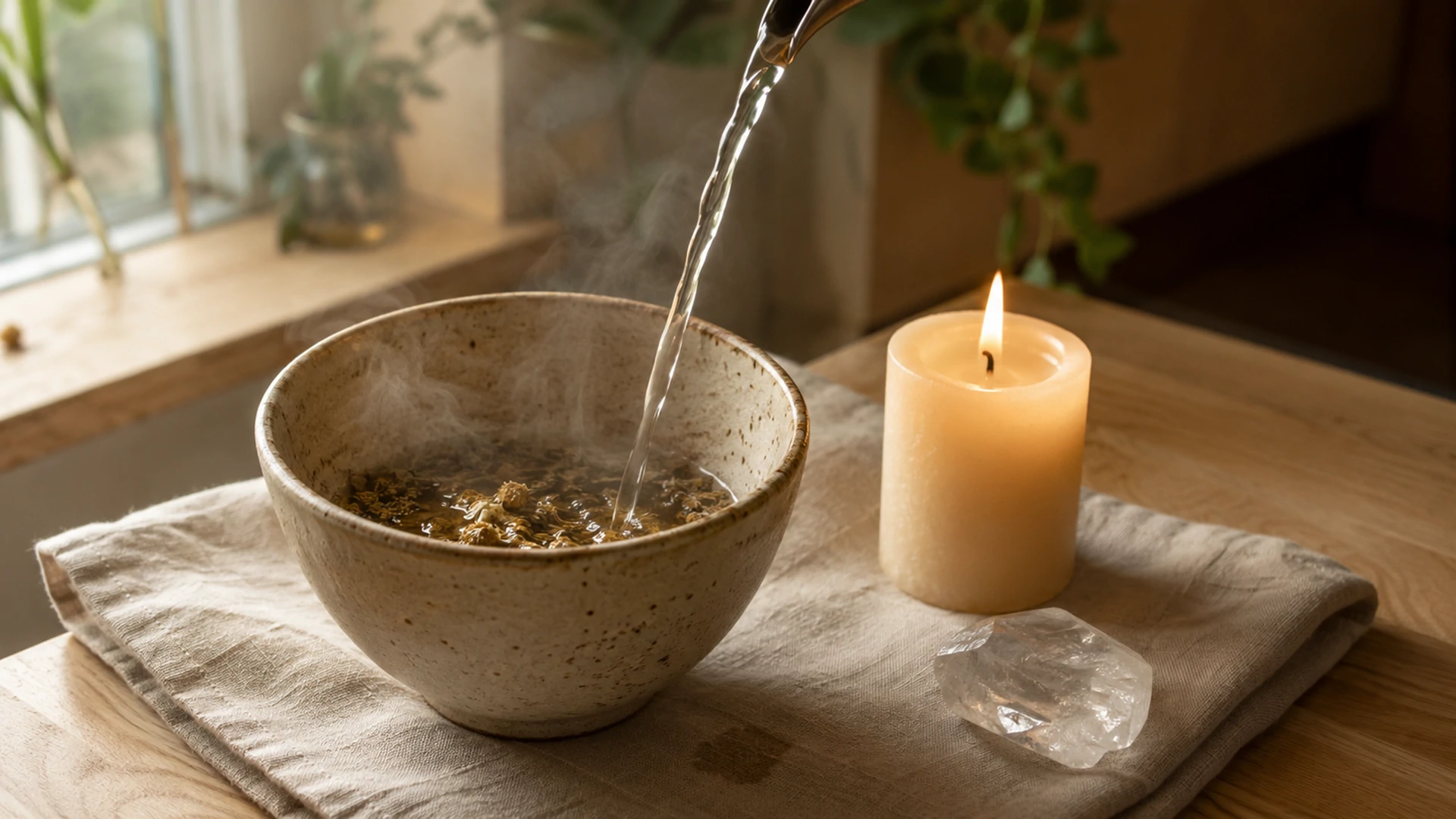
A spiritual tea ceremony is one of the most accessible and genuinely powerful forms of magical practice you can build into your life. Unlike elaborate rituals that require an altar full of tools, a tea ceremony asks for very little — a kettle, a cup, a plant ally, and your focused intention. But do not let the simplicity fool you. When you brew with purpose, every step becomes a spell. The heat, the steam, the scent, the act of drinking — all of it becomes a vehicle for your will. This guide will walk you through exactly how to hold a spiritual tea ceremony, what it means to approach tea as a ritual practice, and where this tradition comes from. Whether you are brand new to magical herbalism or an experienced practitioner looking to deepen a daily practice, this is for you.
What Makes a Tea Ceremony Spiritual
Before diving into the how, it is worth being clear about what we actually mean by a spiritual tea ceremony — because it is not just about drinking herbal tea and calling it magic. The difference between a cup of chamomile before bed and a spiritual tea ceremony is entirely one of intention and attention. Both involve the same plant. One is habit. The other is practice.
A spiritual tea ceremony is a structured act of ritual in which the preparation and consumption of tea becomes the primary vehicle for magical or spiritual work. The ceremony creates a container — a defined beginning, middle, and end — that tells your mind something significant is happening. That shift in state is not cosmetic. It is the entire point. Your mind is the instrument of your magic, and ceremony is how you tune it.
Every element of the ceremony carries symbolic and practical weight. The water you use, the vessel you choose, the herbs you select, the way you breathe while you pour — none of this is arbitrary when you are working with intention. Herbs carry real magical correspondences that have been documented and worked with across cultures for centuries. When you brew a plant into water, you are not just extracting flavor. You are creating a medium infused with the plant's energetic qualities, which you then take into your body. That is intimate magic.
The spiritual tea ceremony also works because it engages all your senses in service of a single focused state. The warmth of the cup in your hands grounds you. The rising steam carries your intention outward. The taste becomes a sensory anchor for the working you have set in motion. This multi-sensory engagement is why tea ceremonies appear independently across so many cultures — the format works because it aligns beautifully with how human attention and intention actually function.
The ceremony at a glance: prepare your space and clear it energetically, then sit quietly and define your intention before you touch anything. Hold your chosen herbs, speak your intent into them, and pour the hot water slowly and with awareness. Let the tea steep in silence. Drink each sip deliberately, feeling the warmth move through you. When the cup is empty, close the ceremony with a breath and return the spent herbs to the earth.
How to Prepare for a Spiritual Tea Ceremony
Preparation is where most of the real work happens. A ceremony that begins without preparation is just a cup of tea. When you take time to prepare your space, your tools, and your mind before the water even boils, you are already doing magic — you are signaling to yourself that something intentional is about to occur, and that signal primes your will for the work ahead.
Choose Your Space With Care
You do not need a dedicated ritual room. A kitchen table, a windowsill, a corner of your bedroom — any space can become sacred when you treat it that way. Clear the physical clutter first. Then clear the energetic space. This can be as simple as burning a little rosemary for cleansing, placing your hands on the surface and consciously releasing any residual tension, or doing a brief spoken declaration that the space is now set apart for your work. The method matters less than the sincerity.
Select Your Vessel Intentionally
Your teacup or mug is not just a container — it becomes the physical focal point of your ceremony. Use one you have designated specifically for this purpose if you can. You can cleanse it between uses with salt water or moonlight. Some practitioners keep their ceremony cup on their altar when not in use. The specificity of the vessel reinforces the specialness of the practice, which reinforces your focused state during the ceremony itself.
Choose Your Plant Ally for This Working
This is the heart of your preparation. Your herb selection should be based on its magical correspondences as well as its safety profile. Research every plant before you brew it. Mugwort, for example, is a classic choice for dream work and psychic opening — but it is contraindicated during pregnancy. Chamomile is gentle, widely safe, and excellent for peace, purification, and gentle solar work. Lemon balm is a powerful choice for clarity and lifting heavy emotional states. Know your plant before you work with it.
Set Your Intention Before You Begin
This is the most important step and the most commonly skipped. Before you touch the kettle, sit quietly for a moment and get specific about what this ceremony is for. Not a vague wish — a clear, direct statement of intent. Write it down if that helps you sharpen it. Speak it aloud into your empty cup before you pour. The ceremony is the expression of that intention in physical form, so the more precisely defined your intention is, the more directed the work will be.
Optional Supportive Tools
Tea ceremonies pair naturally with other magical tools, though none are required. A candle placed nearby — chosen for a color that aligns with your intent — adds a visual focal point and a layer of fire energy to the working. If you work with crystals, placing one beside your cup or briefly holding it before the ceremony to attune it to your intention is a simple, effective addition. Amethyst works beautifully for spiritual and psychic ceremonies. Rose quartz complements heart-centered workings. Let your intuition guide the additions — more is not always better.
Holding the Ceremony: From Boiling Water to Final Sip
Once your space is set and your intention is clear, the ceremony itself can begin. There is a natural flow to this that I want to walk you through in detail, because the individual moments within the ceremony are where the magic lives. Each step is an opportunity to deepen your focus and reinforce your intent through conscious, deliberate action.
Boiling the Water
As the water heats, stay present. Watch it. Do not check your phone. This is the first moment of genuine ceremony — you are tending to the transformation of something ordinary into something purposeful. If you like, hold your hands near the kettle as it heats and begin mentally rehearsing your intention. Feel the warmth. Let it remind you that you are actively generating something.
Working With Your Herbs
Whether you are using loose leaf herbs, a tea bag you have made yourself, or a prepared blend, take a moment to hold the herbs in your hands before they go into the cup or strainer. Feel them. Smell them. Speak your intention into them — aloud or silently — directly and specifically. Something like: “I charge you to carry peace into my body and clear what no longer serves.” This act of spoken charging is a direct application of will to your material, and it is one of the oldest and most consistently documented forms of herbal magic across traditions.
Pouring the Water
Pour slowly and with awareness. Watch the water hit the herbs and release their color and scent. The moment of infusion is the moment of activation — the plant's energy is now moving into the water. This is a good moment to hold your intention clearly in your mind: see the outcome you are working toward as already real. Feel what it would feel like. Let that feeling saturate the pour.
The Steeping Period
Let the tea steep in silence if you can. Use this time for focused meditation, gentle breathwork, or simply quiet presence. Do not steep and scroll. Some practitioners cover the cup during steeping to contain the steam and the energy within. Others use this time to journal, draw a tarot card for context, or simply sit with their eyes closed and their hands wrapped around the warm vessel. The length of the steep matters magically as well as practically — steeping too briefly keeps the herb's full qualities subdued; steeping too long can make the brew bitter and the energy chaotic. Follow the guidance for each individual plant.
Drinking the Tea
Do not rush this. Each sip is an act of reception — you are drawing the plant's energy and your charged intention into your body. Drink slowly. Breathe between sips. Stay aware of the warmth moving through you. Some practitioners speak a closing affirmation before the first sip: a short, present-tense declaration of the intention now being sealed and activated. “This is done. This is real. This is mine.” Whatever language feels true to you. The exact words matter less than the conviction behind them.
Closing the Ceremony
When the cup is empty, the ceremony is not quite finished. Take a breath. Acknowledge what you have done. You can thank the plant spirit if that resonates with your practice, or simply sit quietly for a moment in the afterstate of the working. Some practitioners rinse the cup immediately and return it to the altar. Others prefer to let it sit until they feel fully returned to ordinary awareness. Dispose of any spent herbs by returning them to the earth — a garden, a park, a plant pot — rather than washing them down the drain. It is a small act that closes the loop of your working with respect.
Tea Ceremonies Across Traditions
The spiritual tea ceremony is not a modern invention. The marriage of plant medicine, ritual structure, and intentional consumption appears across cultures that developed independently of one another — which tells you something important about why it works. Humans have always understood, instinctively, that the act of consuming a plant with awareness and ceremony is something different from simply eating or drinking. Here are three traditions that illustrate the depth and variety of this practice.
Japan — Chado, the Way of Tea
The Japanese tea ceremony, known as Chado or Chanoyu, is perhaps the most widely recognized formalized tea ritual in the world. Developed through Zen Buddhist philosophy and refined over centuries, Chado is built on four core principles: harmony (wa), respect (kei), purity (sei), and tranquility (jaku). The ceremony involves the precise, meditative preparation and serving of powdered matcha in a highly specific sequence. Every movement is intentional. Every tool has meaning. The space is designed to eliminate distraction and produce a state of complete present-moment awareness. Chado is not primarily about the tea — it is about using the tea as a vehicle for cultivating inner stillness. For magical practitioners, the parallels are obvious and instructive.
China — Tea as Medicine and Ritual Offering
Tea culture in China predates the Japanese ceremony by over a thousand years. In Chinese tradition, tea has always occupied a dual role as both physical medicine and spiritual medium. Herbal teas were prescribed by practitioners of Traditional Chinese Medicine with precise understanding of each plant's energetic qualities — a system with direct overlap to magical herbal correspondence work. Tea was also offered on ancestral altars and used in Taoist ritual practice, where specific blends were brewed to align with seasonal energies, elemental forces, and spiritual intentions. The Chinese Gongfu tea ceremony, which means “making tea with skill,” emphasizes mindful repetition, precise water temperature, and deep attention — qualities any magical practitioner will recognize as central to effective ritual work.
Indigenous and Folk Traditions — Plant Medicine Ceremonies
Across indigenous cultures of the Americas, Africa, and beyond, the ceremonial consumption of plant-infused drinks has served as a primary mode of spiritual practice for millennia. These ceremonies — whether involving visionary plants, protective herbs, or sacred offerings — share a consistent structural logic: a defined ceremonial container, a designated spiritual intention, a plant ally chosen for its specific energetic qualities, and a practitioner who holds and directs the working. European folk traditions carried similar practices — herbalists and cunning folk across Britain, Germany, and Scandinavia brewed ritual teas for healing, protection, love, and divination, often incorporating spoken charms into the brewing process itself. The spiritual tea ceremony, in other words, is not a niche practice. It is one of humanity's oldest and most universal magical forms.
Building Your Tea Ceremony Practice
The spiritual tea ceremony is powerful precisely because it is repeatable. Unlike a one-off elaborate ritual, a tea ceremony can become a daily or weekly practice that steadily deepens your ability to enter focused intentional states, work with plant allies, and direct your will toward real outcomes. That consistency is where the real transformation happens — not in any single ceremony, but in the accumulation of them over time.
Start simple. One plant. One clear intention. One quiet cup with no distractions. You do not need to build an elaborate ceremony immediately. What matters is that the ceremony you do hold is genuinely intentional — that you are truly present for it, not going through the motions. A three-minute ceremony done with complete focus outperforms a thirty-minute ceremony done with wandering attention every single time. Your will is the engine. The ceremony is the vehicle. Keep the vehicle lean until you are confident in the engine.
As your practice develops, you can begin layering in additional elements — seasonal timing, lunar phases, complementary herbs, crystals, candles, journaling before and after. You will naturally develop a personal ceremonial style that reflects your practice, your aesthetics, and the specific kinds of work you most often do. That personalisation is not optional decoration. It is how the ceremony becomes yours, which is how it becomes genuinely powerful. If you want to see what a fully developed ceremony looks like in action, the Rose Tea Ceremony for Love is a good example — it takes everything covered here and applies it to a specific magical goal with a complete working structure.
Keep a record. A simple tea ceremony journal — even just a few lines after each session noting the herb, the intention, the date, and what you observed — will show you patterns over time that you would otherwise miss. Which plants consistently open something in you. Which intentions tend to land cleanly and which ones feel foggy. How your practice shifts through the seasons. This kind of observation is what separates a practitioner from a dabbler, and your journal becomes one of your most valuable magical tools.
Once you have the foundations in place, the next step is matching your ceremony to your specific magical goal. Our companion guide — Spiritual Tea Ceremonies: A Complete Guide by Intent — is a curated collection of individual tea ceremony guides organized by magical purpose, each with its own herb recommendations, ceremonial structure, and working notes. Whether you are brewing for protection, love, wealth, luck, or psychic work, that guide points you directly to the ceremony that fits. Everything you have built here is your foundation. That is where you put it to use.