Jar Candle Magic: A Boundary Made of Glass and Flame
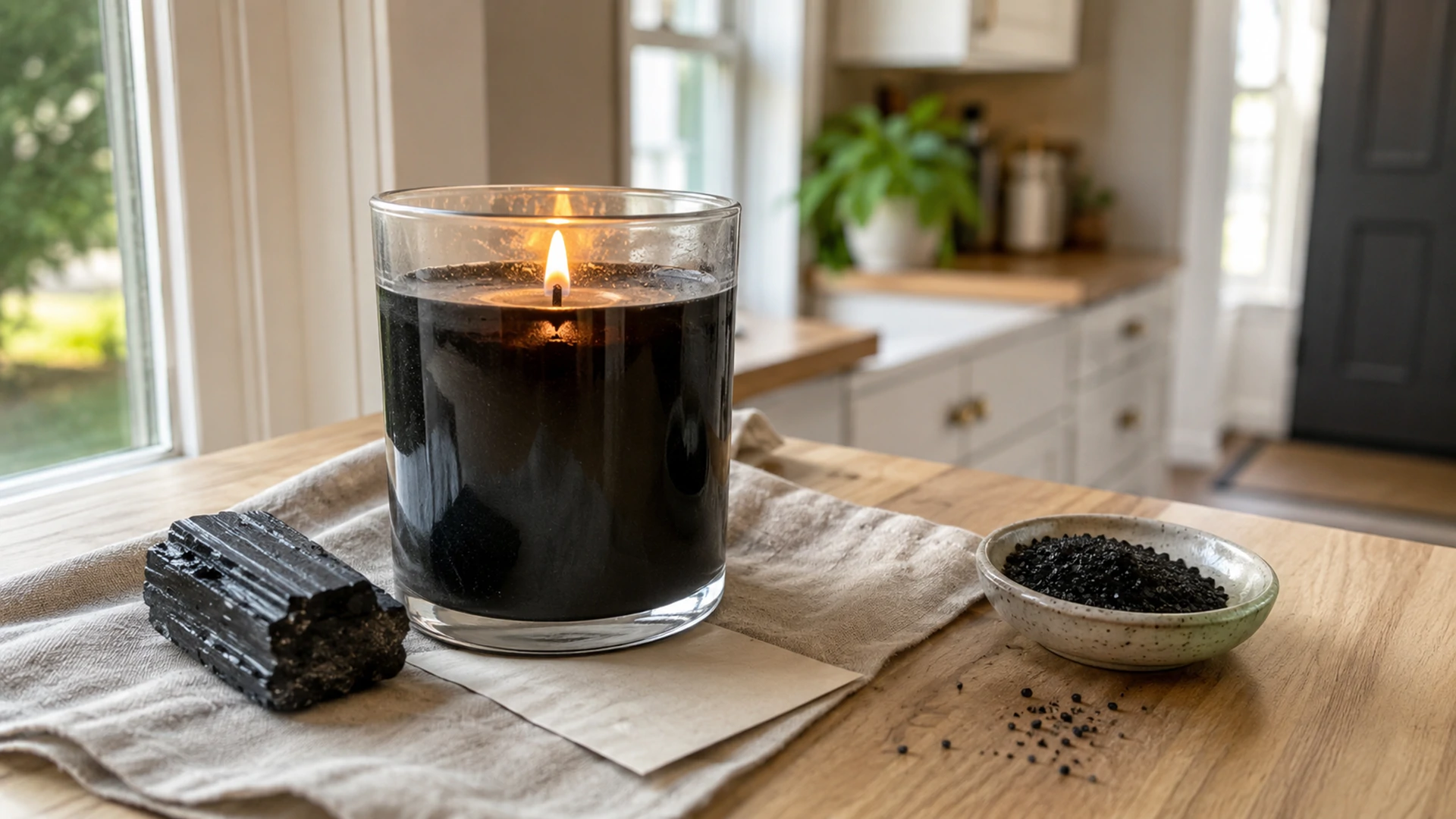
When you want protection magic that lasts — not a single charged moment but a continuous, anchored ward — the jar candle is one of the most practical tools you can reach for. Jar candle magic works for protection because of one specific quality: duration. A standard jar candle burns anywhere from 40 to 80 hours depending on its size, which means the intention you pour into it at the moment of lighting doesn't flicker out after an hour. It keeps going. It holds the space. For ongoing household rituals and spells, that sustained burn isn't just a convenience. It's the entire point. This guide walks you through selecting, preparing, burning, and closing a jar candle working for protection — with enough detail that you can actually do it, not just understand it in theory.
Why Jar Candles Suit Protection and Ongoing Household Work
The jar candle's defining characteristic — the glass vessel — does several things at once that make it well-suited to protection and household magic. First, the glass contains everything: the wax, any herbs or oils you've added, and the flame itself. This self-containment is symbolically resonant with protective work, which is fundamentally about maintaining a boundary. The fire stays inside. What you're warding against stays outside. The glass vessel is itself a ward made physical — a closed perimeter that holds your intent the same way a well-cast boundary holds a space.
The burn time is the second major factor. Most household protection rituals are designed to run continuously or be renewed regularly — not completed in a single sitting. The jar candle is built for a multi-day, tend-and-renew rhythm: you light it, work with it over several sessions, and relight with fresh intention each time. That cadence — light, tend, renew — is exactly what household protection work calls for. It's worth knowing that jar candles are a distinct format from dedicated seven-day candles, which are designed for continuous, uninterrupted vigil burns held to a single petition from start to finish. For protection and ongoing household work — where regular renewal serves better than one long unbroken push — the standard jar candle is the right fit.
The glass vessel also makes jar candles safer for unattended burning than many other formats, which is genuinely relevant to ongoing household work. You can't realistically sit with a candle for 80 hours. The jar contains melting wax, shields the flame from drafts, and prevents wax from dripping onto your altar. This means you can let the working continue while you sleep, work, or simply live in the house you're protecting — which is as it should be. Protection magic should function in the background, not require your constant supervision.
If you're newer to candle magic and want to understand how jar candles compare to other formats across different working types, the Candle Types for Magic: Complete Guide covers the full range. For protection and ongoing household spells specifically, the enclosed vessel is what makes this format so reliable: you can dress the candle's surface, add herbs to the wax pool, and let it burn across multiple days without watching for wax overflow or the wick burning unevenly without containment. That reliability matters when you're running a working over multiple days.
Preparing Your Jar Candle
Color is your first decision, and for protection work, you have a few clear options. Black is the traditional choice for warding, banishing unwanted energy, and creating firm magical boundaries. It absorbs and neutralizes. If your working is specifically aimed at keeping something harmful out of your home — negative energy, ill intent, psychic interference — black carries that correspondence directly. White works well when your intent leans toward purification and general household protection, creating a clean, guarded space rather than an aggressive ward. White is also a strong substitute for any color if that's what you have available. For protection layered with stability and grounding — particularly useful in household workings where you want calm, settled energy alongside security — a brown candle is worth considering.
For a fuller breakdown of how color choice shapes the energy of any candle working, the complete guide to candle color correspondences is a useful reference before you shop. Once you've chosen your color, you'll want to charge the candle with your specific intent — this step is what separates a decorative jar candle from a ritual one, and it's where your will actually enters the working.
Dressing a jar candle is slightly different from dressing a taper or pillar. You can't apply oil along the full length of the candle body the way you can with an exposed wax column. What you can do: apply a small amount of protection-aligned oil — rosemary, frankincense, cedar, or black pepper oil all carry protective virtue — directly to the wax surface at the top of the jar. Use a toothpick or small skewer to create a shallow channel in the wax first if the candle has already been burned. You can also press dried herbs — rosemary, nettle, juniper, or rue — gently into the wax surface. As the candle burns down, the wax pool will carry those herbs into the working.
Inscribing a jar candle requires a bit of creativity since you're working with glass rather than wax. You can use a permanent marker to write words, sigils, or symbols on the outside of the glass — a protection sigil, your address, your name, or a brief statement of intent. Some practitioners carve directly into the top layer of wax using a pin or toothpick for a more traditional approach. If you want to go deeper into the inscribing practice, the guide on how to inscribe candles for magic covers technique in detail. For a jar candle specifically, working on the glass surface is often more practical than the wax, and has the added benefit of remaining visible throughout the entire burn.
Timing matters more for some practitioners than others, but for protection work there are some particularly useful alignments. Saturday is traditionally governed by Saturn, the planet of boundaries, structure, and defense — it's a strong day to initiate a household protection working. The waning moon supports banishing and warding energy away; the new moon is good for building new protective structures from the ground up. If your working is about ongoing renewal rather than a specific threat, the full moon's charge is useful for giving the working sustained power. Morning light strengthens clarity of intent; burning through the night carries a guardian quality appropriate to the household context.
One practical note specific to jar candles: because the flame burns inside an enclosed glass vessel, the glass gets genuinely hot. Always set your jar candle on a heat-safe surface — a ceramic plate, a tile, a metal tray. Never place it directly on wood or fabric. If you're adding herbs to the wax pool, keep them light and dry. Wet plant material can cause the flame to behave unexpectedly. These aren't dramatic warnings, just details worth knowing before you start a multi-day burn.
Lighting and Working with Your Jar Candle
Before you strike the match, hold the jar in both hands for a moment. You've already charged and dressed it, but this is your last point of direct contact before the fire takes over. Feel the weight of it. Think about your home — not abstractly, but specifically: the front door, the windows, the rooms where your people sleep. Let that image be clear and present in your mind. Protection magic works because you know exactly what you're protecting.
Light the candle and watch the flame catch. In the first few seconds, while it's still establishing, speak your intent aloud. This doesn't need to be a formal incantation unless you want it to be. A clear, direct statement works: something like "This flame wards my home. No harm enters here. What I love is safe." Simplicity is strength. Your will is what's doing the work — the words just give it direction. Once you've spoken, let the candle do what it's built to do.
Where you place the candle matters. For general household protection, the heart of the home — a kitchen counter, a central table, a living room altar — is a strong placement. If you're working on a specific entry point, placing the candle near the front door or on a windowsill amplifies the directional intent. Some practitioners keep a protection jar candle on a dedicated home altar, which becomes a permanent focal point for the working. You can arrange supporting materials around it: a piece of black tourmaline for energetic shielding, a small dish of black salt for boundary work, or a written petition folded under the jar.
Because jar candles burn for many hours — sometimes several days at a stretch — you don't need to maintain a ritual posture for the entire burn. What you do want to do is check in intentionally at least once a day. When you walk past, spend a few seconds looking at the flame and re-anchoring your intent. This isn't elaborate. It's a glance, a breath, a renewal. Think of each pass as adding another layer to the ward. The candle is doing sustained work; your periodic attention feeds it.
If you need to extinguish the candle before it burns out — overnight, if you're not comfortable leaving it, or when you leave the house — snuff it rather than blowing it out. Blowing is traditionally understood to scatter the intention. A candle snuffer or a damp fingertip applied to the wick closes the working temporarily without dispersing it. When you relight, repeat your statement of intent. Each relighting is a conscious recommitment, which is genuinely useful in long protection workings because it keeps the intent active rather than fading into habit.
Reading the Burn and Closing the Working
Jar candles produce a readable burn record. A clean, even burn with a steady flame and clear wax pooling is a strong sign — the working is moving without resistance, the intention is meeting open space. If the flame burns tall and bright, your will is well-charged and the working has good momentum. A low, struggling flame can indicate interference, a block in the working, or that the candle needs more tending and intention. Try sitting with it, refreshing your spoken intent, and see if the flame picks up.
Soot on the glass is one of the most discussed signs in jar candle reading, particularly in Hoodoo-influenced practice where vigil candle work is well-documented. Black soot near the top of the glass early in the burn is generally read as the candle clearing out negativity — working through something that was already present. Soot that accumulates heavily throughout the burn, or that appears suddenly mid-burn after a clean start, suggests ongoing interference or a stronger obstacle than initially expected. White or light grey soot is often interpreted as the flame burning off energy rather than encountering opposition.
A jar candle that burns completely clean — no residue, clear glass when finished — is widely read as a successful working. The intention was received, the ward is set. If the candle burns out early or extinguishes on its own before the wax is spent, that calls for attention: either the working met strong resistance and needs to be reinforced, or it completed faster than expected because the condition was resolved. Pay attention to what was happening in your home around the time it went out. Context matters.
Wax that remains after the burn is complete carries the residue of the working. For protection spells specifically, there are several meaningful ways to handle it. Bury the remaining wax and the jar near your front door or at the property line — this plants the protection into the physical ground of your home. You can also dispose of the wax by wrapping it in black cloth and placing it at a crossroads or in the trash outside your home, sending any absorbed negativity away from your space. If the working was clean and the burn went well, some practitioners keep the empty jar on their altar as a container for future workings — cleaned out, charged again, reused.
Closing the working is simple but shouldn't be skipped. After you've disposed of the remains, take a moment to ground yourself. Place both hands flat on a surface — the floor, a table, the earth if you're outside — and let the excess energy drain out of you into a stable surface. Then give genuine thanks. Not performative gratitude, but real acknowledgment: you did this work, you put your will into it, and it's done. That closing gesture marks the boundary between the working and ordinary time, which is important in ongoing rituals so they don't bleed into everything else.
Keeping the Wards Strong: Repeating Your Household Protection Work
A home ward isn't a one-time installation. It needs tending — the same way a lock on the front door doesn't stop working just because you installed it last year. The jar candle format suits that reality because it's built for repetition. You can run this working every month, every season, or whenever your home needs a reset. Each time you come back to it, you're not starting over — you're reinforcing what's already there.
Over time you'll build real knowledge of how your candles burn. You'll recognize what a strong, clean working looks like for you specifically, and you'll start to notice when something feels off before the burn even ends. That's the value of a repeatable practice: the feedback loop tightens. Each working teaches you something the previous one couldn't.
The full spectrum of what you can do with candle magic — across formats, intentions, and traditions — is covered in the Candle Types for Magic: Complete Guide. For the protection working specifically, come back to this format whenever you feel your household wards need reinforcing. Light the candle, speak your intent, tend the flame, read the burn. Every time you do it with your full attention behind it, the practice gets stronger — because you get stronger.