Lemon: The Clean Cut
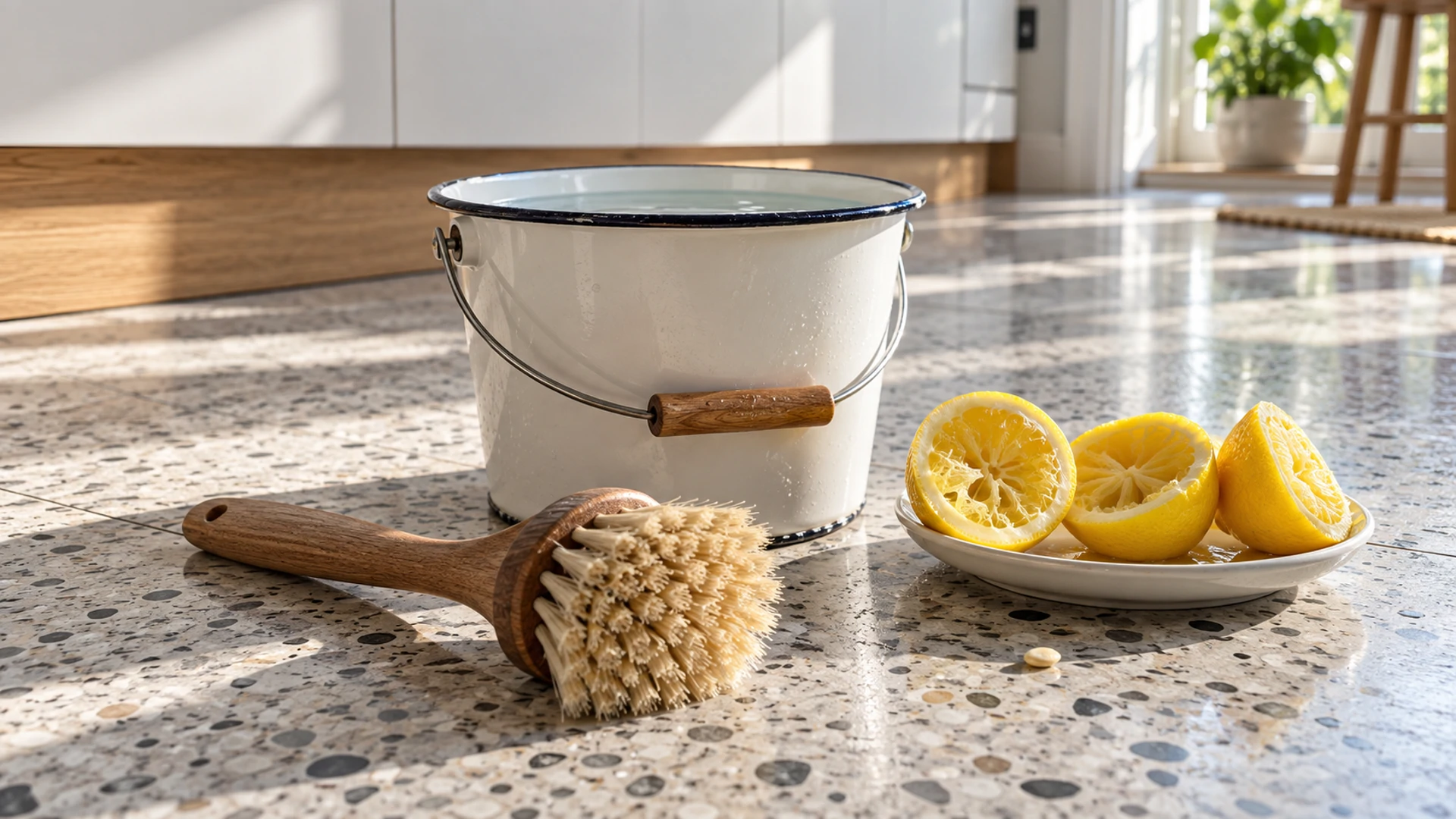
Lemon's role in magic is a sharp, cutting cleanse — for clearing a space after arguments or illness, and for severing ties that need to end.
Cutting, Not Coaxing: Lemon's Place in Cleansing
Most cleansing herbs work gently. They settle, they consecrate, they coax a space back into equilibrium. Lemon doesn't do that. Its angle is a cut — incisive, clean, direct. This is the herb you reach for when a room still feels wrong two days after a bad fight, or when someone was seriously ill in a space and you want the air to feel genuinely different afterward. The same quality that makes lemon juice sting on contact is what makes it work in cleansing: it doesn't smooth things over, it cuts through them.
That cutting quality extends into lemon's secondary territory, which is Banishing and Hex-Breaking. When the same sharpness gets aimed at a connection rather than a room — an ex who won't leave your thoughts, a professional relationship that's become toxic, a pattern of feeling bound to something that has already ended — lemon is one of the classic tools for making that cut. Uncrossing work, which is the practice of removing a condition believed to be crossing or binding you, often calls for it in baths or washes for exactly this reason.
In terms of correspondences, Cunningham attributes lemon to the Moon and water, with Monday as its day. Some modern practitioners assign it to the Sun instead, reasoning from its bright yellow color. Both turn up in practice, and neither is wrong exactly — but the Moon is Cunningham's attribution, and the Sun a modern color-based one. Cunningham also lists purification, love, friendship, and longevity among lemon's uses, which gives it more range than most people expect. The love and friendship uses are real, even if cutting and clearing are what lemon does best.
Lemon, Lemongrass, Lemon Balm: One Scent, Three Plants
These three plants share a scent and almost nothing else. Lemon — Citrus limon — is a citrus fruit in the rue family, Rutaceae. Lemongrass is a grass in the Poaceae family, the same family as wheat and corn. Lemon balm is a mint-family plant, firmly in Lamiaceae alongside lavender and rosemary. The lemony scent they share comes from similar aromatic compounds, not from any botanical relationship. In the shop or the herb cabinet, they're often shelved near each other, which is how the confusion starts — but in practice, they do very different things.
Lemon cuts. Lemongrass opens — it removes stagnation and invites fresh opportunity in the same working, which is why it's the backbone of Van Van, the Hoodoo road-opening formula. Lemon balm soothes: it's the gentle comfort herb of Healing and Peace, the one you bring to low spirits and tired hearts. The three sit side by side on a spectrum, and understanding the difference matters because swapping one for another changes what the working actually does. A clearing that needs an edge calls for lemon. A clearing meant to open a door to new circumstances calls for lemongrass. A working meant to quiet and restore calls for lemon balm.
Lemon's own relatives in the rue family are sweet orange and bergamot — two plants that share its citrus warmth but carry entirely different magical registers. As for lemon itself, Citrus limon is a hybrid of citron and bitter orange, and it reached the Mediterranean through medieval Arab trade rather than through classical antiquity. Its magical reputation grew out of practical folk purification: lemon juice rubbed on tools and surfaces to clean them, halved lemons set on a shelf or sill to absorb bad air, juice added to floor washes. This is kitchen magic, the kind of practice that doesn't require a grimoire — just a lemon and a clear intention.
Juice, Peel, and the Sun
The most important safety note about lemon is one that most people don't know before they've already made the mistake: lemon juice on the skin followed by strong sun can cause phytophotodermatitis, a chemical burn that blisters. The cold-pressed oil from the peel is phototoxic for the same reason — it contains furanocoumarins that react with UV light. This means lemon baths and washes are evening work, not morning work. If you're washing floors with lemon juice, your bare feet are fine. If you're bathing in lemon peel water and then stepping into afternoon sun, you can burn. Juice kept out of cuts and away from eyes is a simpler precaution — it stings badly and can cause real irritation.
For practical preparation, fresh lemons work best for juice and for the halved-lemon practice. When you're working with the peel — in a bath, on an altar, or in a charm — unwaxed fruit is what you want, since commercial wax coatings interfere with the peel's scent and may contain other additives. Dried lemon slices can be made at home in a low oven or on a sunny windowsill over several days; they hold their scent well and look beautiful on an altar without wilting. Lemon is also used in ritual drink — if that's the direction you're taking your practice, the lemon tea ceremony for luck is worth reading as a complete working in that form.
Three Sharp Workings With Lemon
The Halved Lemon on the Sill
This is the practice for a room that still feels off after a conflict or a period of illness — when the emotional residue is hanging in the air and you want something actively drawing it out.
Cut a fresh lemon in half and place the cut face up in the room that needs clearing — on a windowsill, on a shelf, or at the center of the space. Set it with a clear intention: this lemon is here to absorb what's lingering. Leave it until it dries, discolors, or begins to show mold, which may be anywhere from a day to a week depending on humidity. When you remove it, wrap it and throw it away in the outdoor trash, not the kitchen bin. Don't eat it. The lemon has done a job, and you treat the result the way you'd treat anything that's absorbed something you wanted gone.
The After-the-Argument Floor Wash
This one is specifically for the room where a quarrel happened — not a general refresh, but a targeted clearing of a space that carries the energetic residue of conflict.
Squeeze the juice of at least one lemon into a bucket of clean water. The amount of water matters less than the intention you set as you mix it: this wash is for clearing what the argument left behind, not just cleaning the floor. Start at the far end of the room and wash toward the door, moving deliberately, letting the water carry what needs to leave out through the entrance. Wring the mop or cloth toward the door each time. When you finish, take the wash water outside and pour it away from the house — down a drain, into a gutter, anywhere that isn't your threshold. The direction of the work, always toward the door and out, is what gives this practice its shape.
The Peel Bath for Cutting a Tie
This is the practice for ending a connection that needs to end — an attachment that isn't serving you, a relationship that's formally over but hasn't felt that way yet, a pattern of returning to something you've already decided to leave.
Peel one or two unwaxed lemons and add the peel to a warm bath, letting the oils release into the water. This is evening work — do it after dark, not in the morning, because lemon peel is phototoxic and you want to bathe and then stay out of strong sun for the rest of the night. As you sit in the bath, hold the connection you're cutting clearly in your mind: not with anger, just with clarity. You're ending it. The lemon is the tool, and you are the intention behind it. When you're done, let the water drain completely before you step out. A Moon hour on a Monday fits the working well — the Moon is lemon's ruler, which makes it a natural fit.
When a Clean Break Is the Cleanse
Not every cleansing situation calls for something soft. Sometimes the clearing has to have an edge — after a conflict, after illness, at the end of something that should have ended sooner. That's exactly the space lemon occupies in a practitioner's herbal toolkit. It doesn't lift or settle or welcome. It cuts, and cutting is sometimes exactly the right motion.
If you want to see how lemon sits alongside the other cleansing herbs — and alongside the six other categories of plant magic — the full herbal guide is where to go next.